
Summary: Every number on a penstock drawing is a pressure, and every one of them points the same way. The wall is sized by hoop stress, tested at a...
Read More »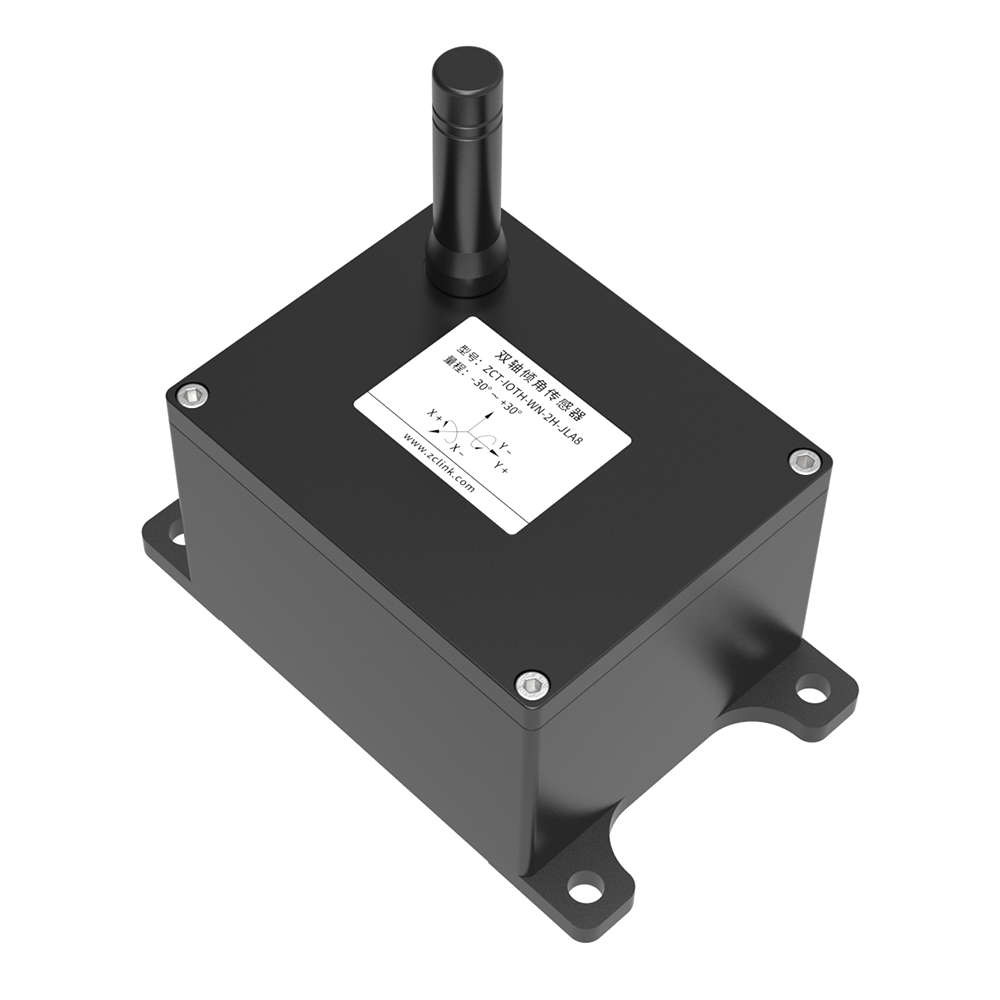
Summary: Everything published about a weir is written in units that are not angles, and the tightest number on the structure is not a structural on...
Read More »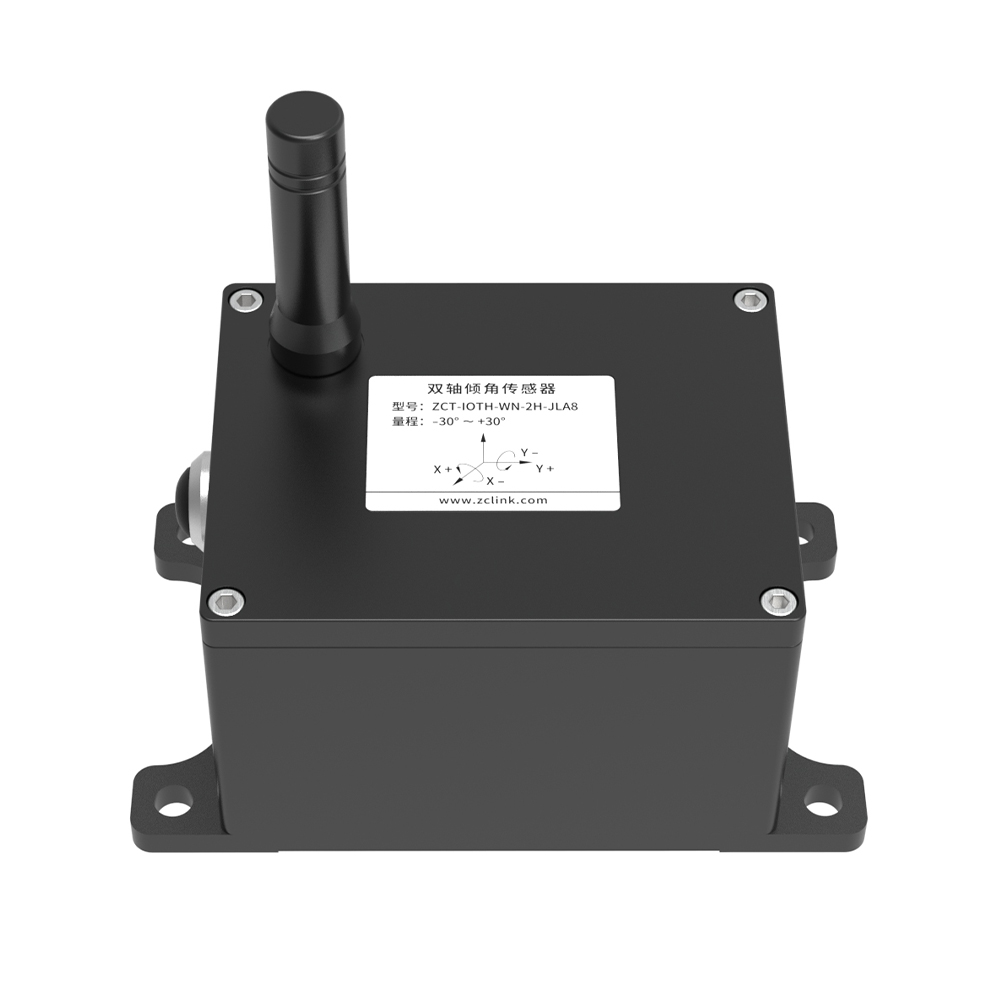
Summary: Everything published about a buried culvert is written in one of three units, and none of them is a degree. The load on the barrel is a fo...
Read More »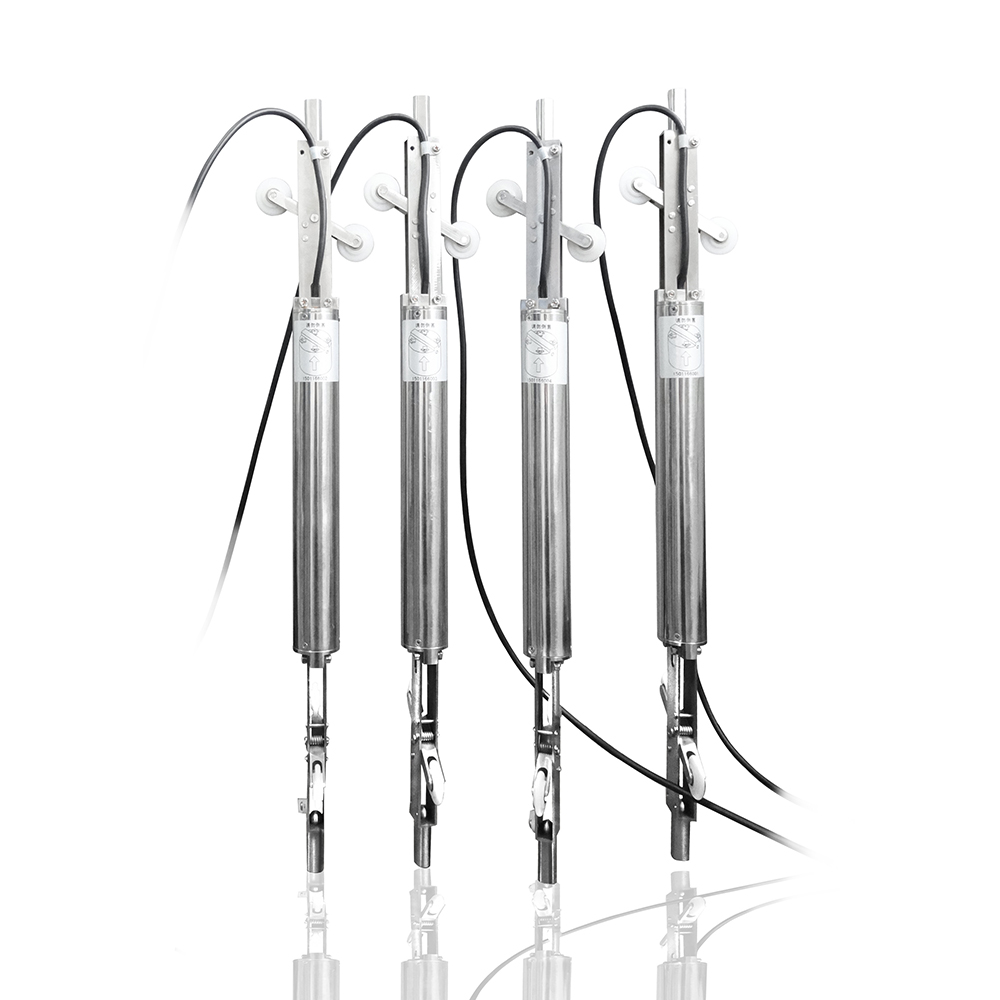
Summary: A quay wall retains soil on one side and holds back water on the other, and the standard that governs its earthquake damage publishes two ...
Read More »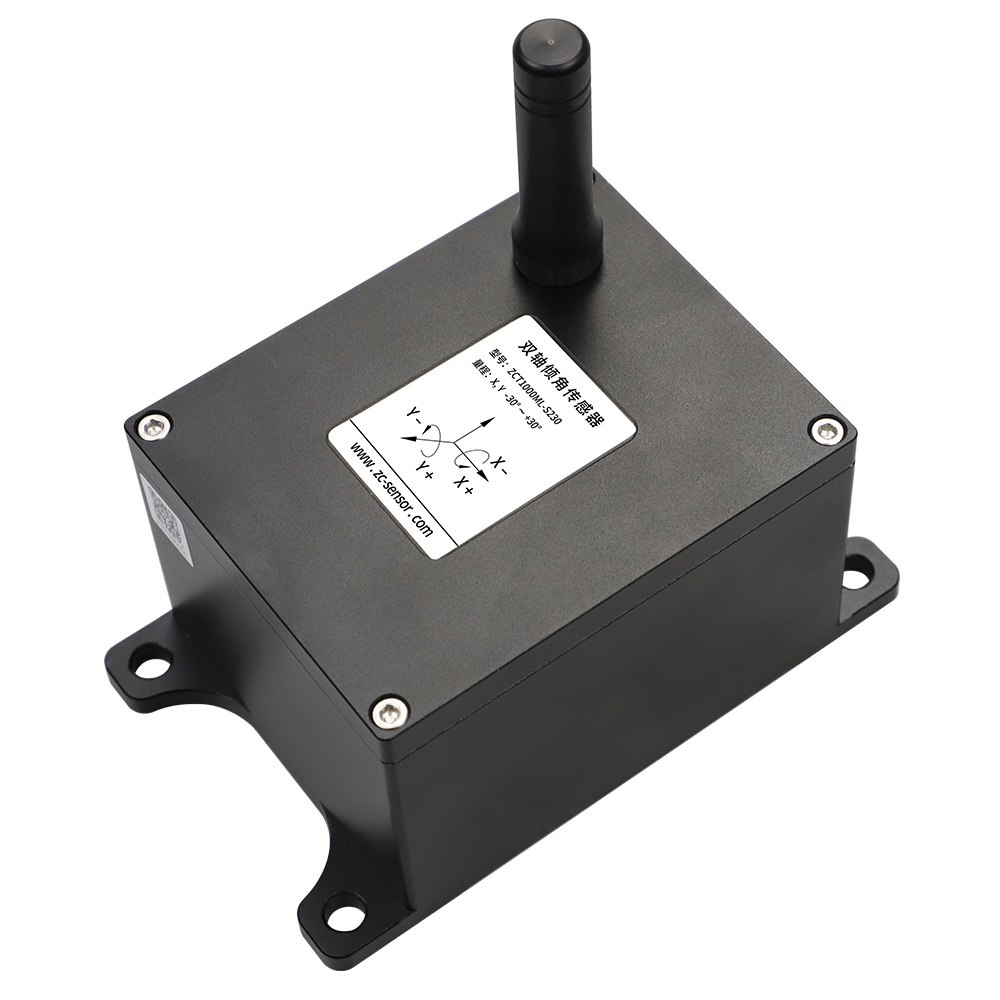
Summary: Satellite InSAR and a permanently mounted tilt sensor are usually compared on precision, and the comparison is misleading in both directio...
Read More »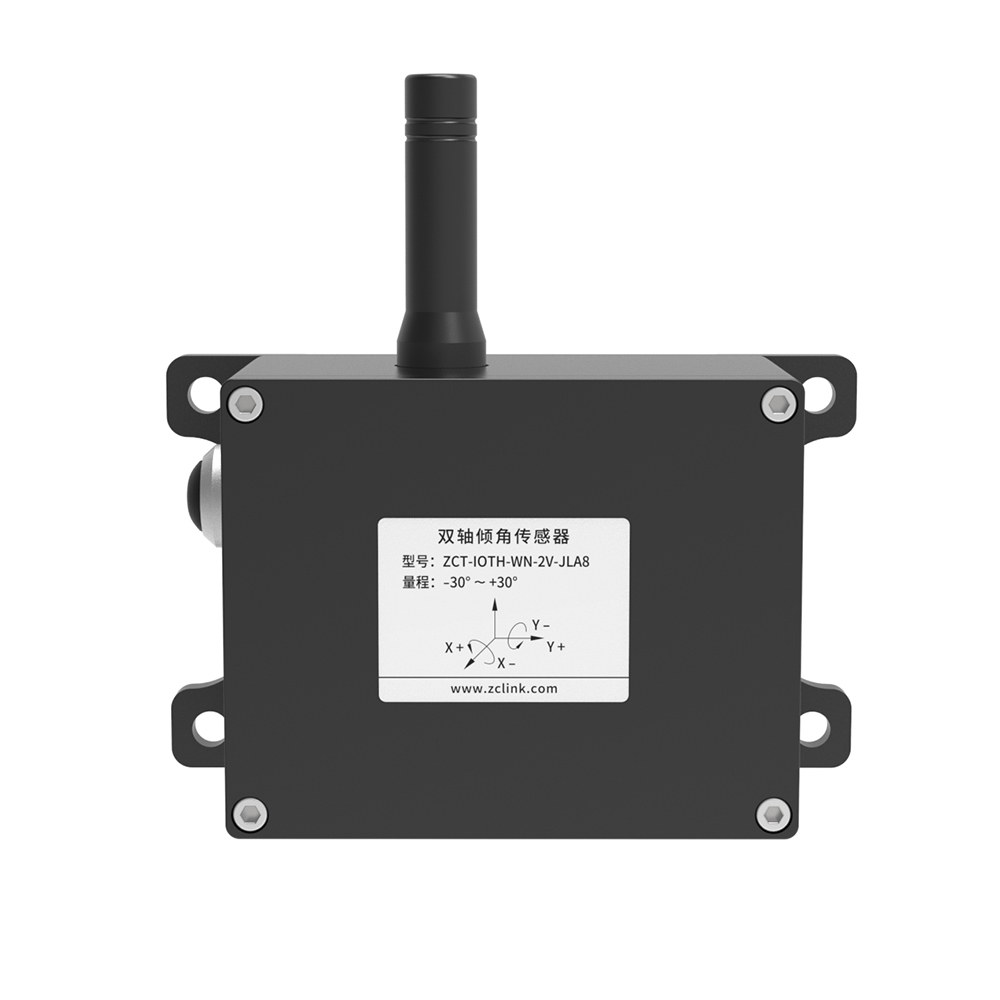
Summary: The allowable settlement of a flat-bottomed steel storage tank is not one number. The published limits run from about 1 part in 1,000 for ...
Read More »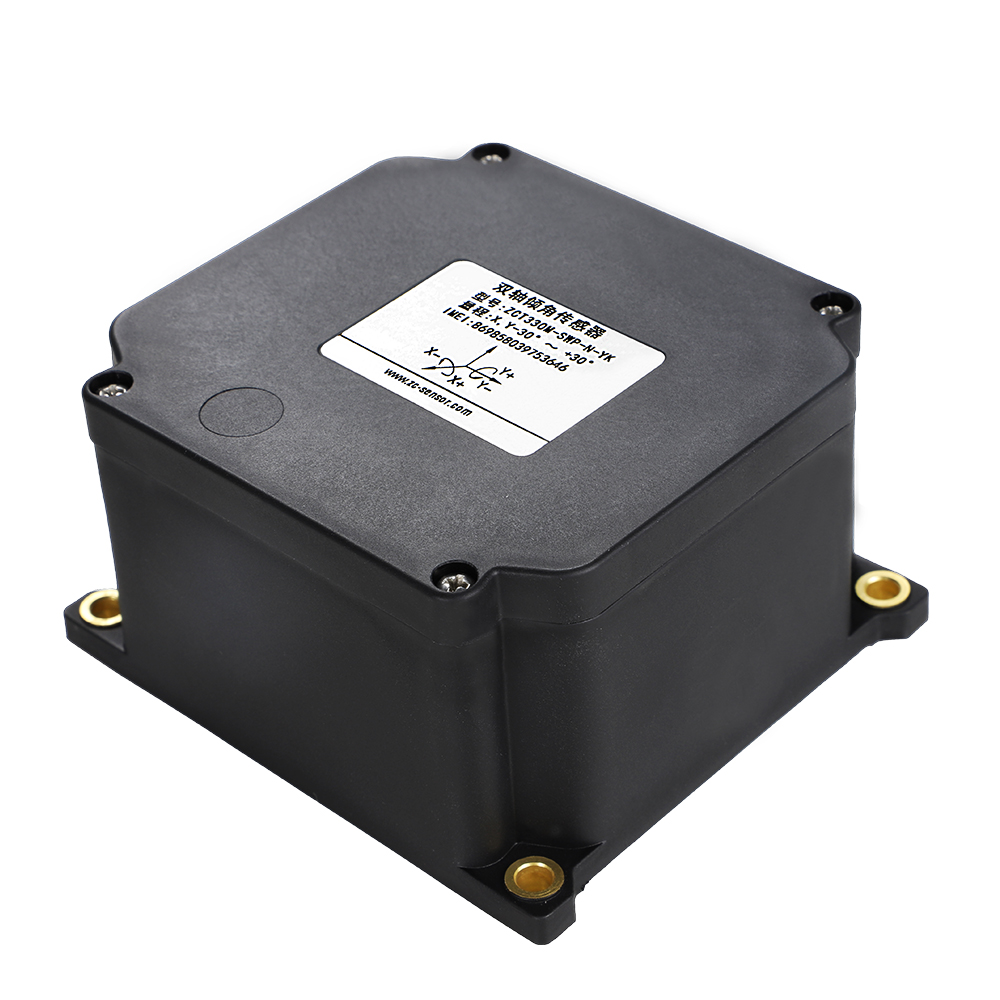
Summary: Ground that freezes moves every winter, and a tilt sensor sees only part of that movement. Heave and thaw settlement are vertical, and a f...
Read More »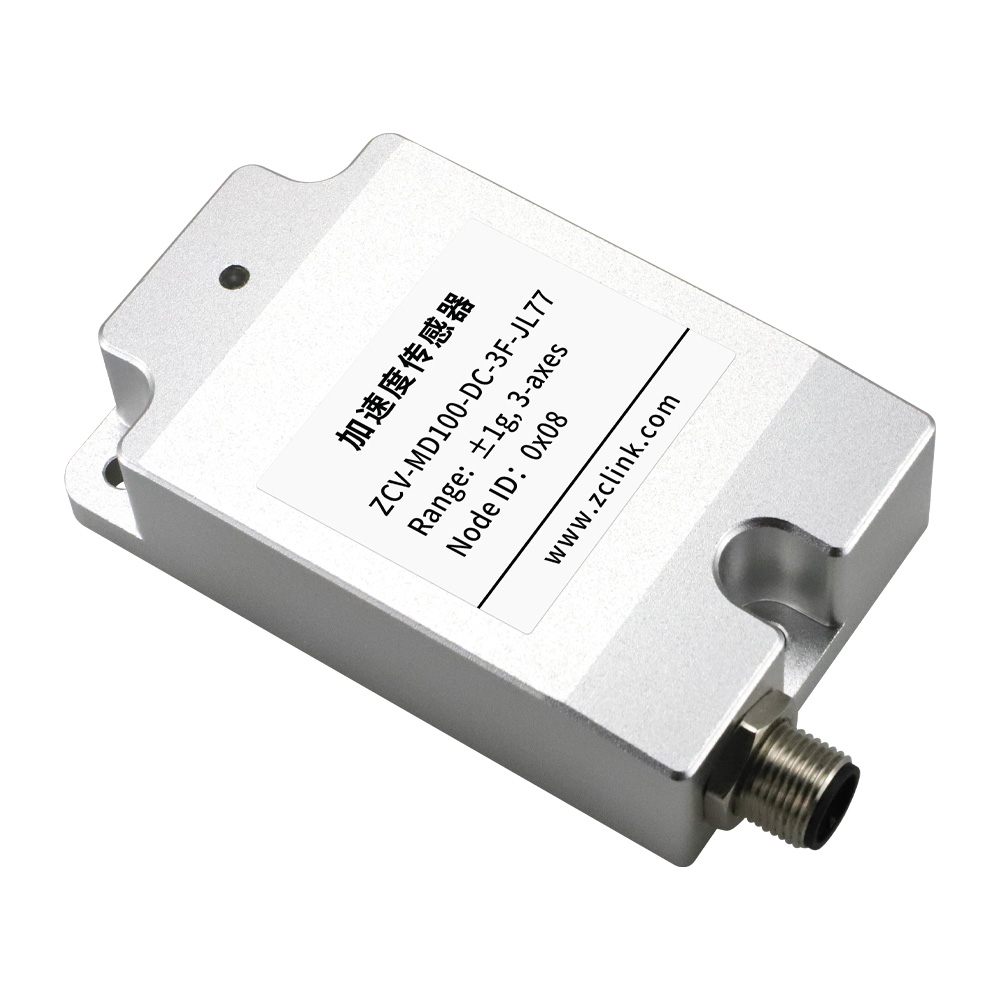
Summary: A vibrating wire sensor carries its measurement as a frequency rather than a voltage, and that one property is why the reading survives ki...
Read More »
Summary: A tilt sensor and a vibration accelerometer are usually the same MEMS sensing element with a different specification written around it. Th...
Read More »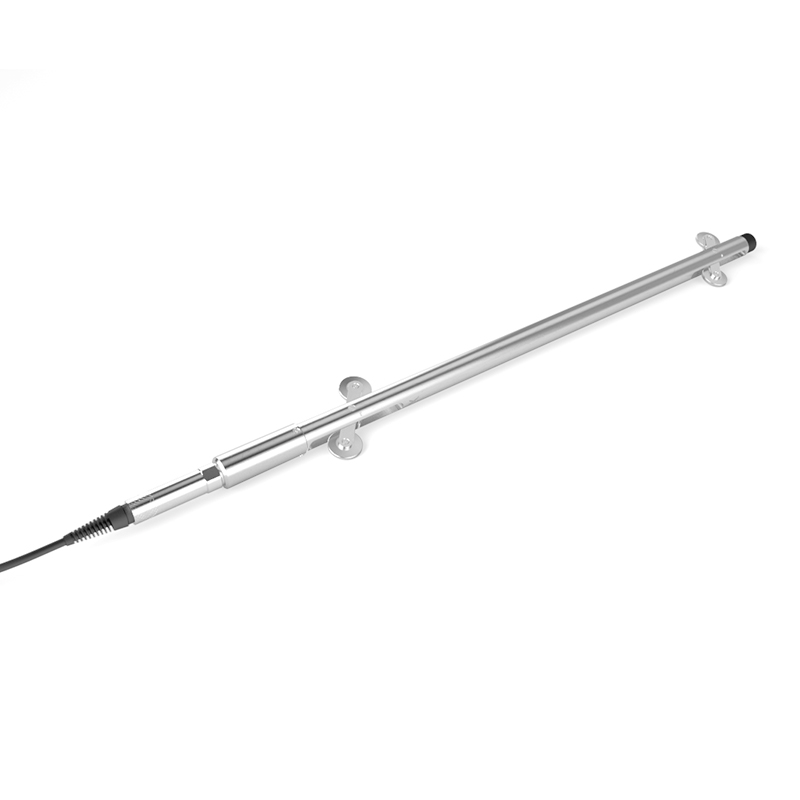
Summary: A level threshold answers how far a structure has moved and says nothing about when it will stop being safe. The methods that forecast the...
Read More »