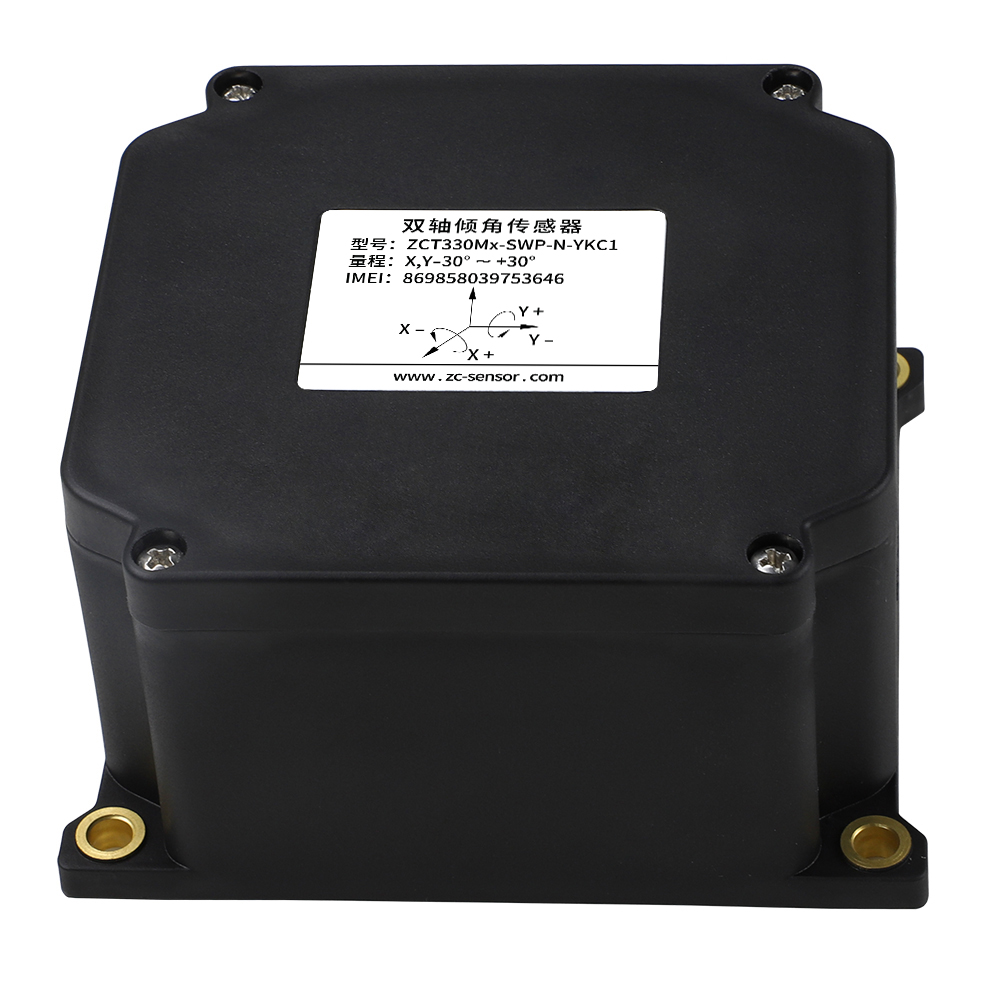
Summary: Tilt is usually a slow variable, so the instinct is to sample slowly and average heavily. That instinct is half right. Three different rat...
Read More »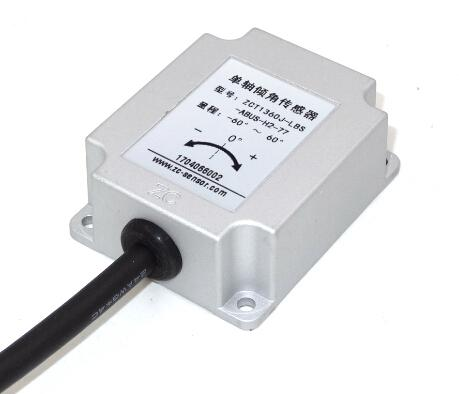
Summary: A single-axis PV tracker is a mechanical asset that produces nothing on its own; the energy gain comes from a control decision, and that d...
Read More »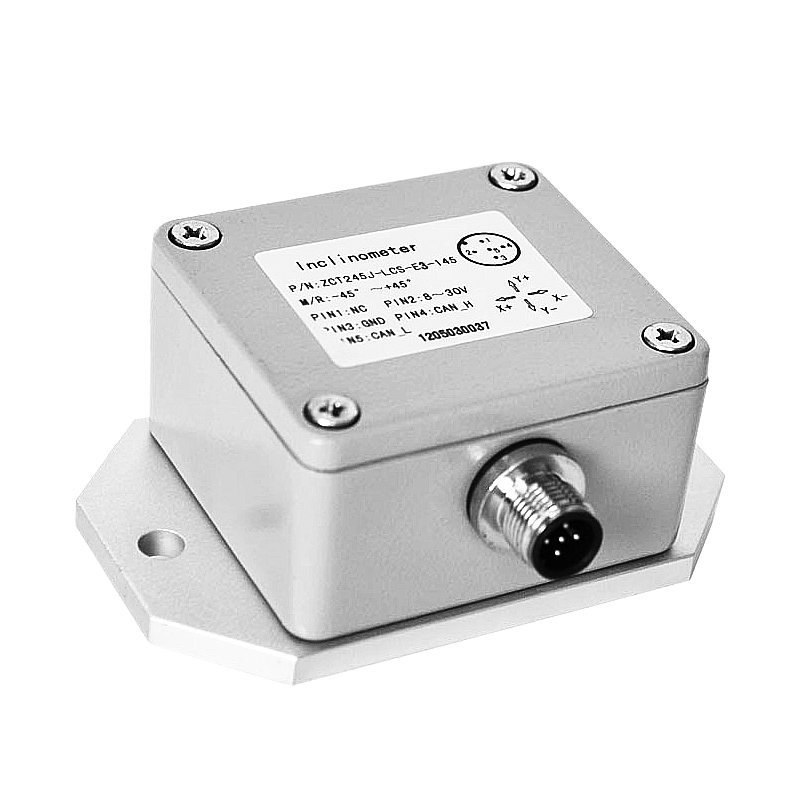
Summary: The two instruments are frequently treated as interchangeable, but they measure different physical quantities. A tilt sensor measures the ...
Read More »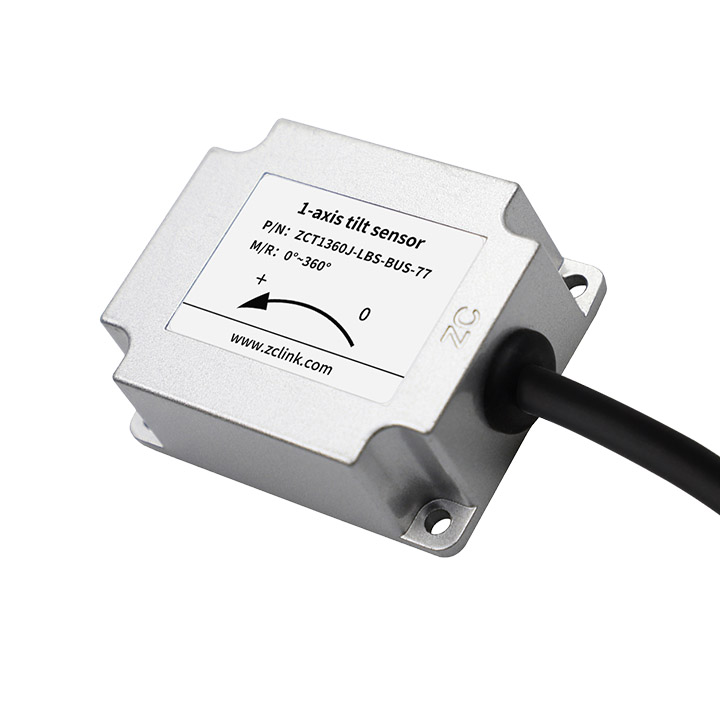
Summary: When tilt data misbehaves, the failure is almost never the sensing element – it is one of a small set of recurring problems around i...
Read More »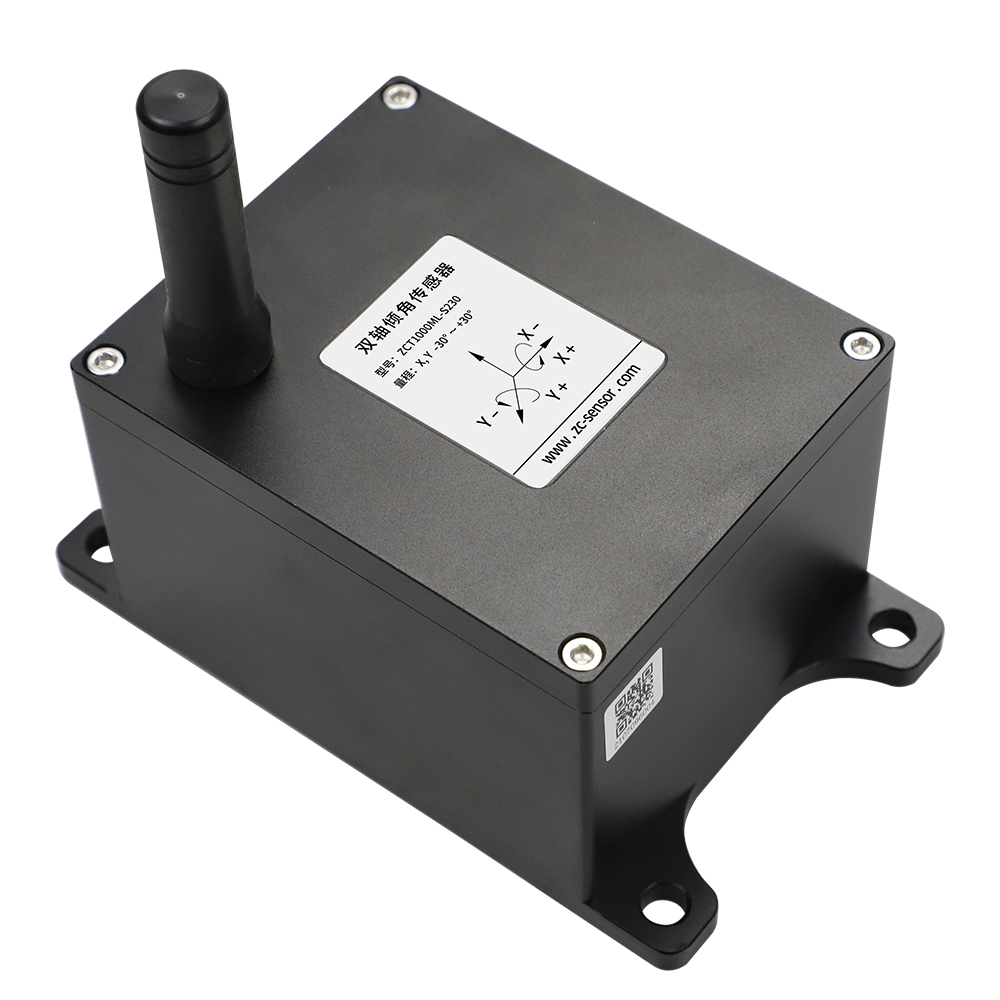
Summary: The most expensive mistakes in a tilt monitoring system are usually not made by the sensor, but by the threshold written into the software...
Read More » Summary: A single-axis tilt sensor measures tilt along one defined direction; a dual-axis sensor measures two orthogonal directions (X and Y, pitch...
Read More » Summary: The measuring range of a tilt sensor should be sized to the angle the application actually sees, not chosen as large as possible. Structur...
Read More »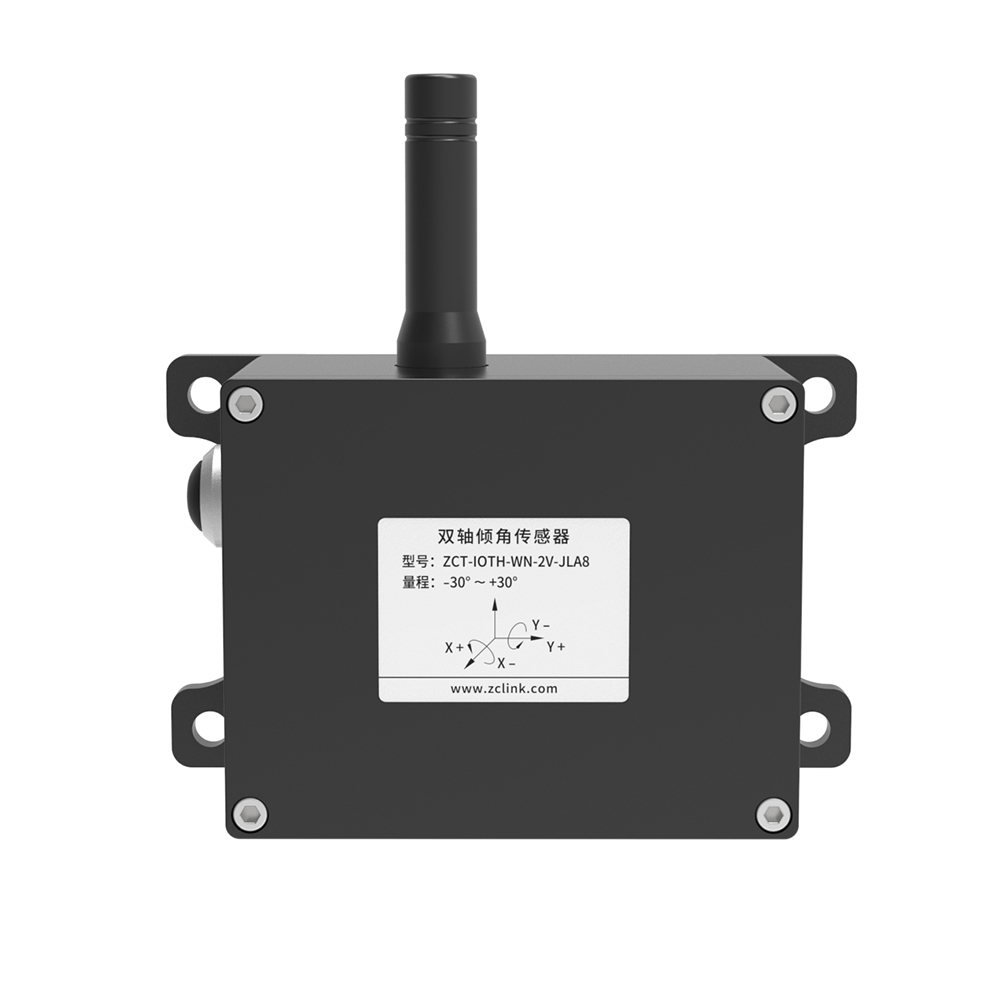
Summary: A tilt sensor is only as useful as its output, because the output decides which controller, PLC, data logger or network it can join. Four-...
Read More »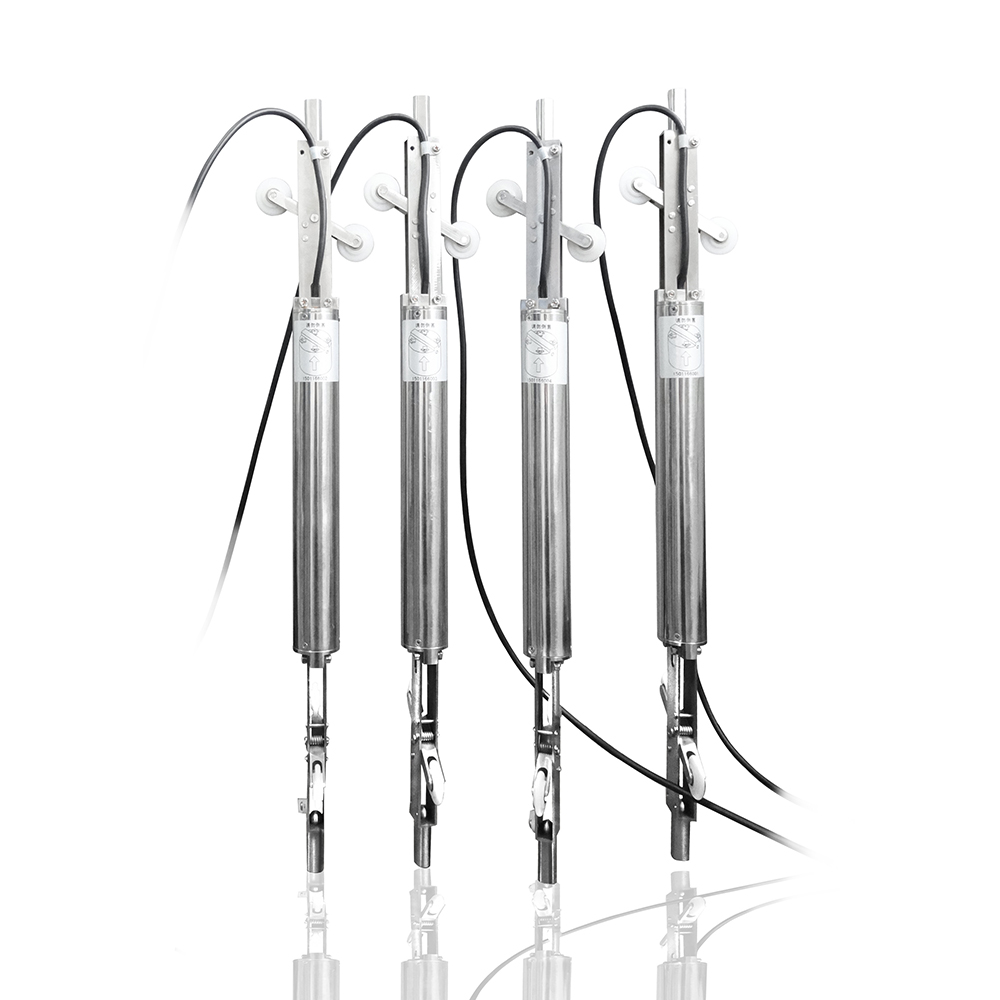
Summary: Portable probes and in-place inclinometers (IPIs) both measure the tilt profile of a casing grouted into soil or a structure, but they ans...
Read More » Summary: For a wireless sensor, sleep current dominates battery life — a sensor spending 99% of its time in deep sleep uses almost all its energy i...
Read More »